Best Controller for Cloud Gaming on a Smartphone (2026 Guide)
Cloud gaming has evolved rapidly over the past few years. What once felt experimental now feels genuinely practical, especially with faster Wi-Fi networks, better 5G coverage, and more powerful smartphones. Services like Xbox Cloud Gaming, NVIDIA GeForce NOW, Steam Link, and PS Remote Play now allow players to stream full console and PC games directly to their phones almost anywhere.
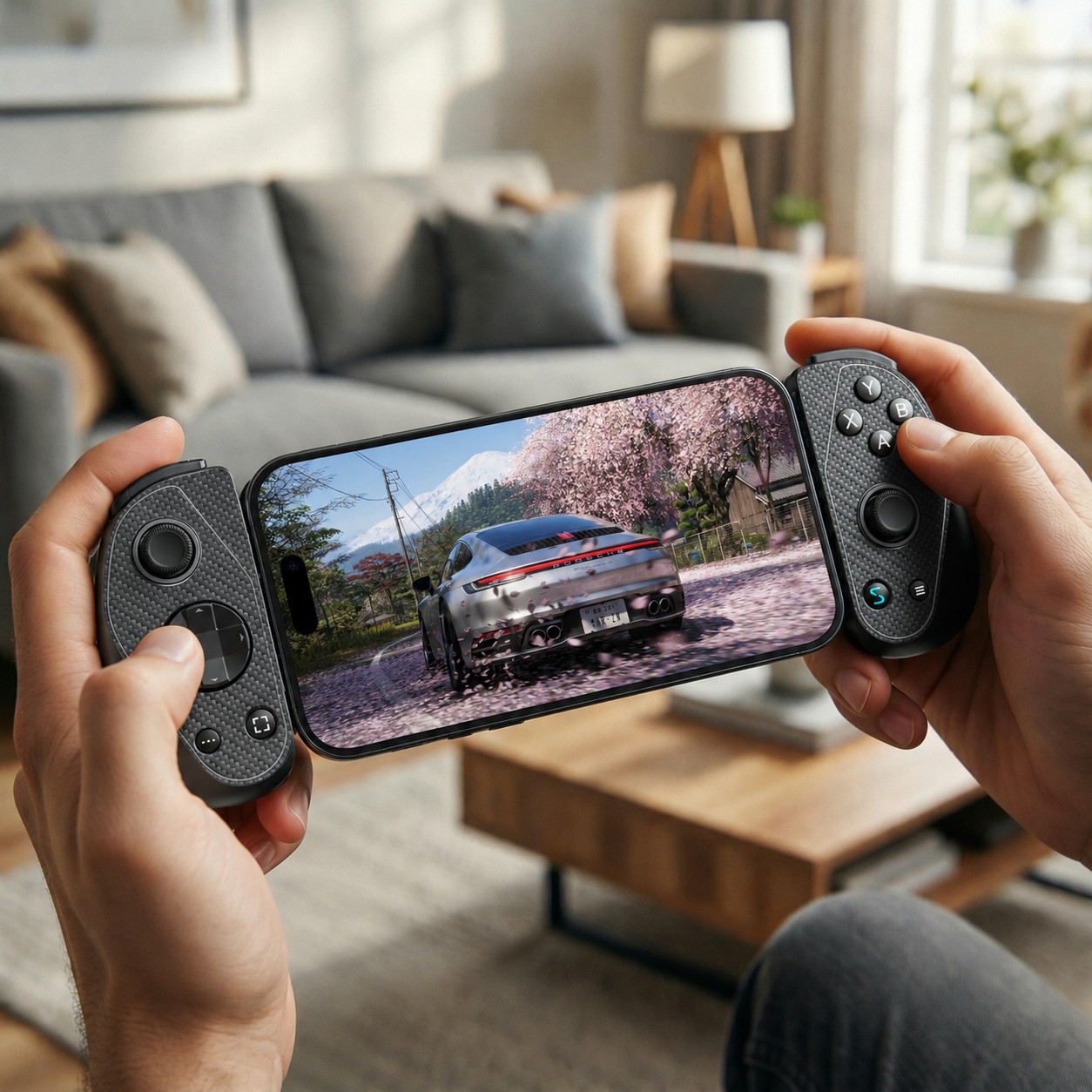
But while internet speeds and smartphone hardware continue improving, one factor still has a major impact on the overall experience: controller latency.
Many players focus heavily on network speed when setting up cloud gaming, but the controller itself can dramatically affect responsiveness, aiming precision, and long-session comfort. Touch controls remain limiting for many genres, while Bluetooth latency can make already-streamed gameplay feel slightly disconnected.
That is why more players are moving toward low-latency USB-C mobile gaming controllers designed specifically for modern smartphones.
For players looking for one of the best controllers for cloud gaming on a smartphone in 2026, the Serafim S3 stands out by combining wired USB-C responsiveness, Hall-Effect joysticks, lightweight ergonomics, and broad cross-platform compatibility in a way that feels especially well-suited to cloud gaming.
Why Cloud Gaming Changes What Matters in a Controller
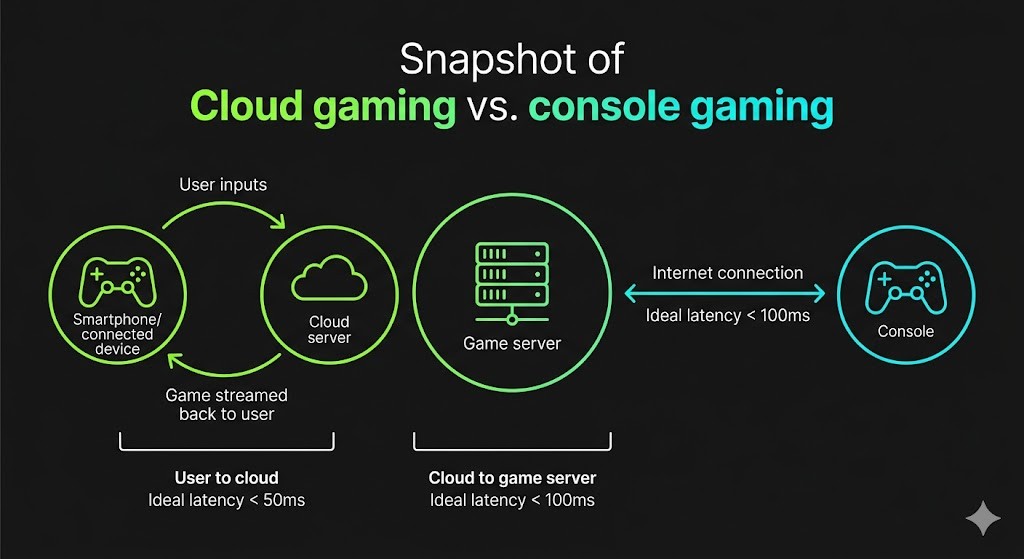
Cloud gaming introduces a very different gaming environment from local gaming.
With traditional console or PC gaming, controller input only needs to communicate with the nearby device. Cloud gaming adds several additional layers between the player and the game itself:
Player Input → Smartphone → Internet → Cloud Server → Video Stream → Smartphone Display
Even under ideal conditions, some amount of streaming latency is unavoidable. Because of that, reducing additional controller delay becomes increasingly important.
In practice, the difference becomes more noticeable in shooters, racing games, and fast-paced action titles where aiming precision or timing consistency directly affects gameplay feel. Even small delays between movement and on-screen response can make gameplay feel less connected.
This is one reason many experienced cloud gaming users prefer wired USB-C controllers over Bluetooth alternatives.
Why Bluetooth Controllers Feel Different During Cloud Gaming
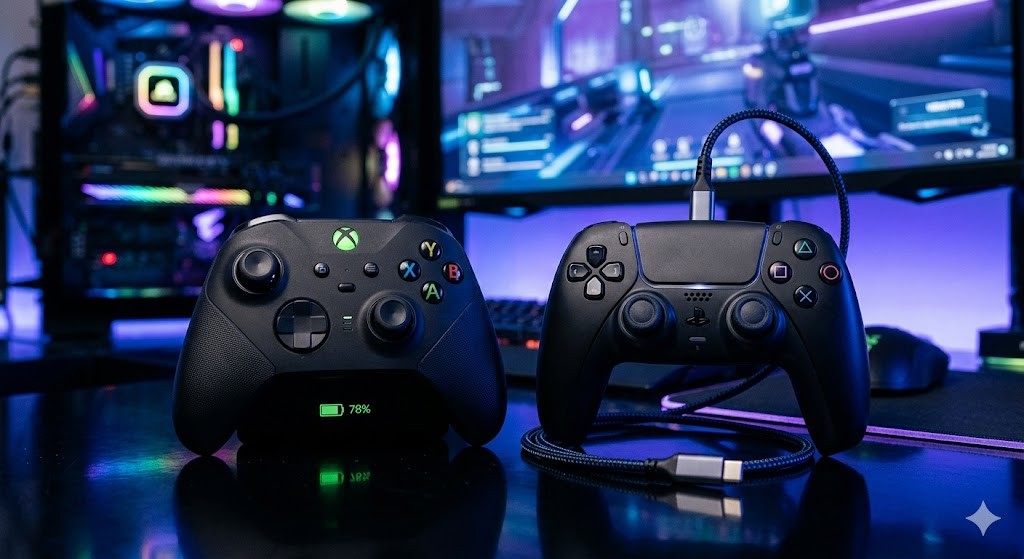
Bluetooth controllers remain convenient and portable, and for casual mobile gaming, they often feel perfectly acceptable at first. However, once cloud streaming latency is added into the equation, the tradeoffs become easier to notice.
Cloud gaming already includes:
- network latency
- server-side processing
- streaming compression
- video decoding delay
Bluetooth adds another wireless layer on top of that.
The result is not necessarily “unplayable” gameplay, but rather a slightly softer or less immediate feeling response. During slower-paced games, this may not matter much. But during longer sessions or competitive multiplayer games, the difference becomes easier to recognize.
The difference becomes especially noticeable in shooters. Fast-paced adjustments, recoil control, and rapid camera movement tend to expose latency more clearly than slower-paced genres. Racing games can also feel less precise when steering corrections happen fractions of a second later than expected.
Because of this, wired USB-C controllers have become increasingly popular among cloud gaming players who prioritize responsiveness.
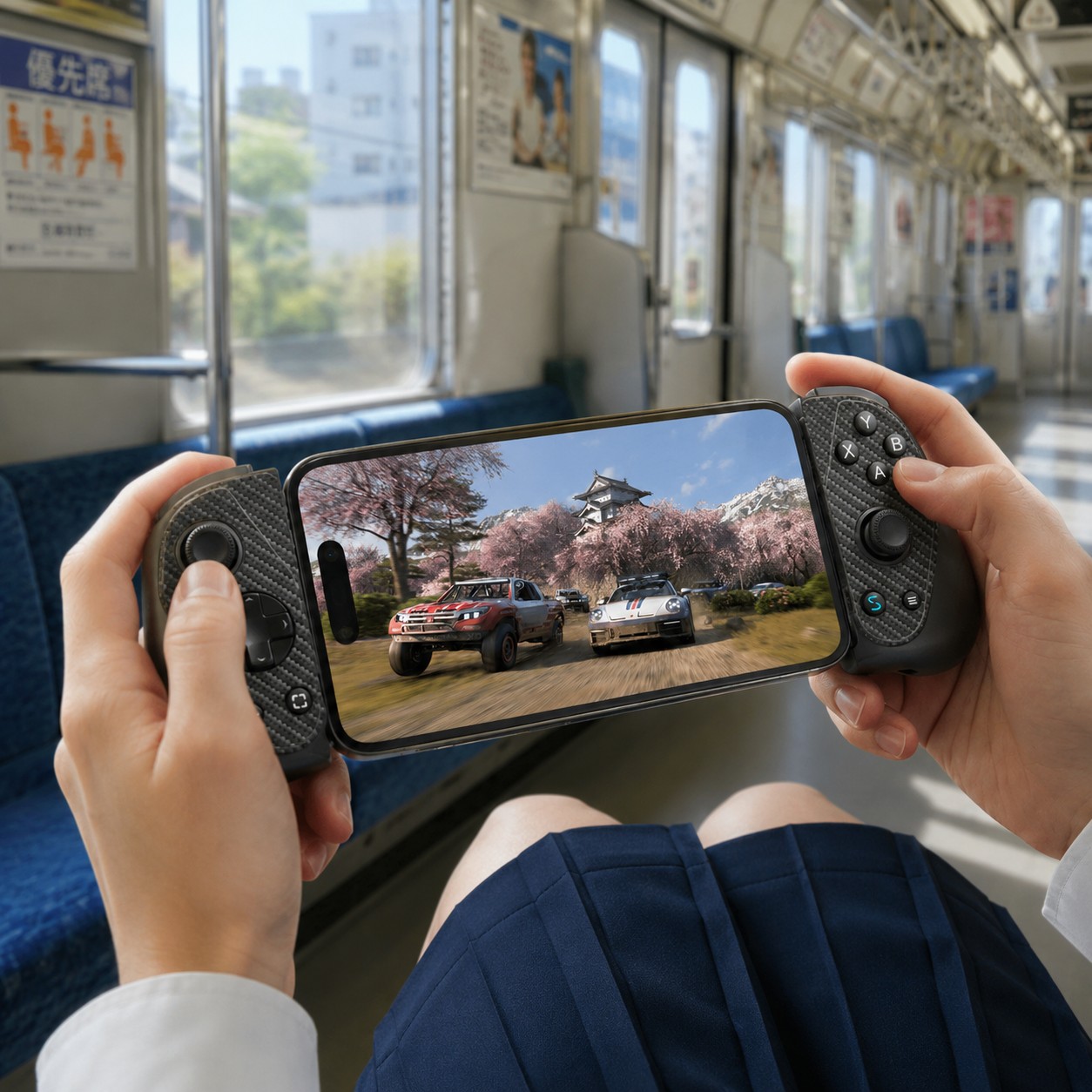
What Makes a Good Cloud Gaming Controller?
Not every smartphone gaming controller is designed with cloud gaming in mind. Some focus primarily on portability, while others prioritize casual mobile gaming or console-style ergonomics.
For cloud gaming specifically, several features tend to matter far more than many players initially expect.
Low-Latency USB-C Connectivity
The biggest advantage of modern wired smartphone controllers is consistency.
A direct USB-C connection reduces input delay and avoids wireless interference, pairing instability, and Bluetooth compression latency. In practice, gameplay often feels tighter and more immediate, particularly during competitive games or fast-paced camera movement.
This becomes increasingly important for platforms such as:
- Xbox Cloud Gaming
- GeForce NOW
- Steam Link
- PS Remote Play
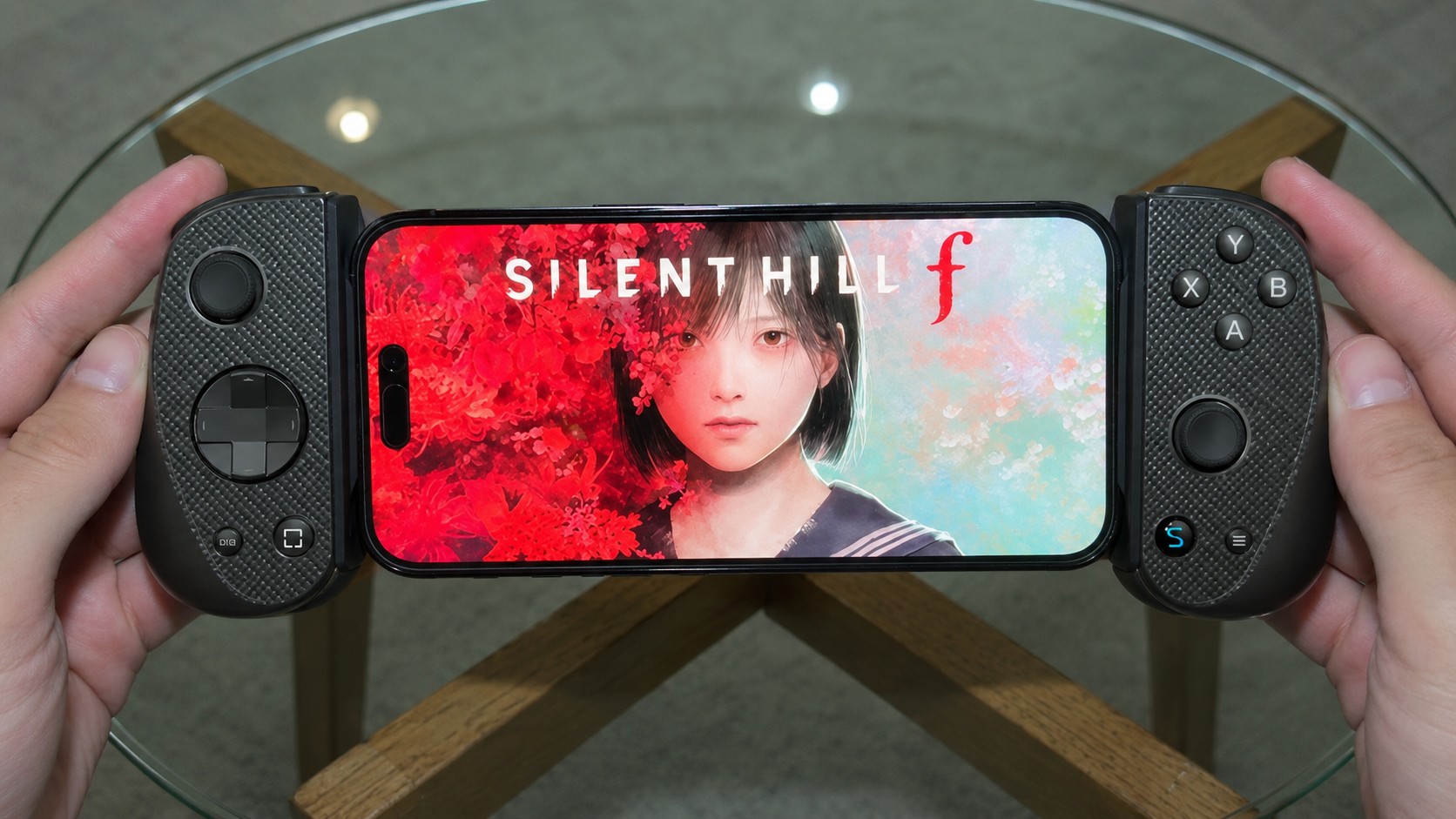
As cloud gaming continues growing in 2026, USB-C mobile gaming controllers are becoming less of a niche accessory and more of a preferred setup for serious players.
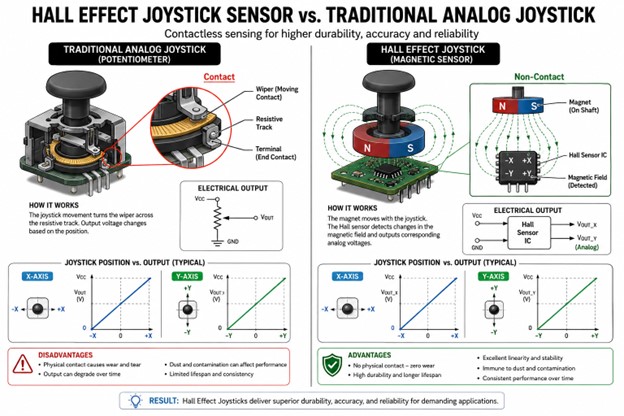
Hall Effect Joysticks
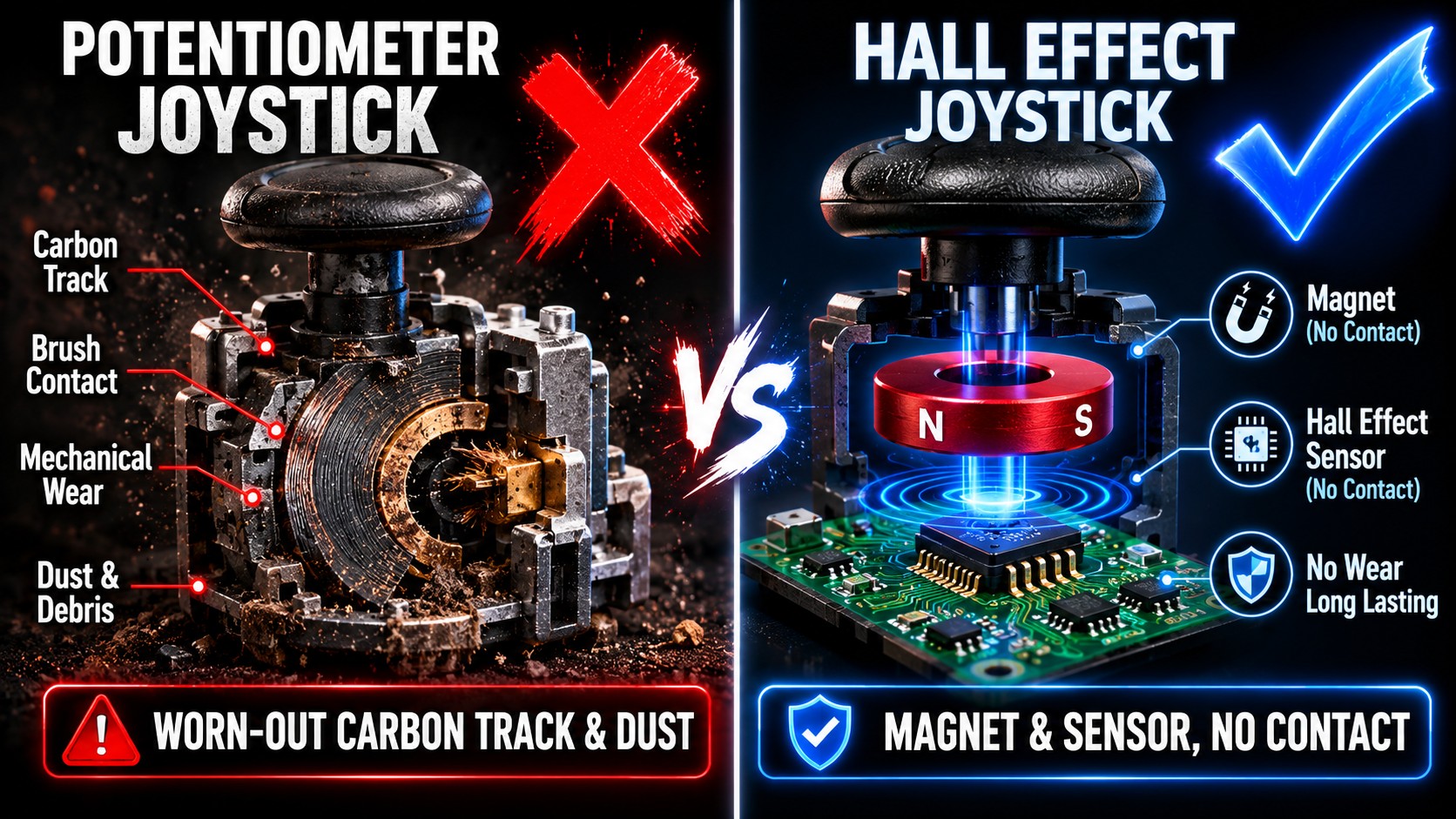
Joystick drift remains one of the most frustrating long-term controller issues in gaming.
Traditional analog sticks rely on physical contact inside the joystick mechanism. Over time, those internal components wear down from repeated movement, which can eventually lead to inaccurate centering or unwanted input.
Hall Effect joysticks approach the problem differently by using magnetic sensing rather than physical contact.
For players who spend significant time on cloud gaming platforms, this matters more than it may initially seem. Cloud gaming often encourages longer sessions because players can instantly access large game libraries across multiple devices. Over time, that additional usage can accelerate wear on traditional analog sticks.
Hall Effect technology helps reduce that long-term degradation while also maintaining smoother analog precision during gameplay.
Why USB-C Matters More in the Modern Smartphone Era
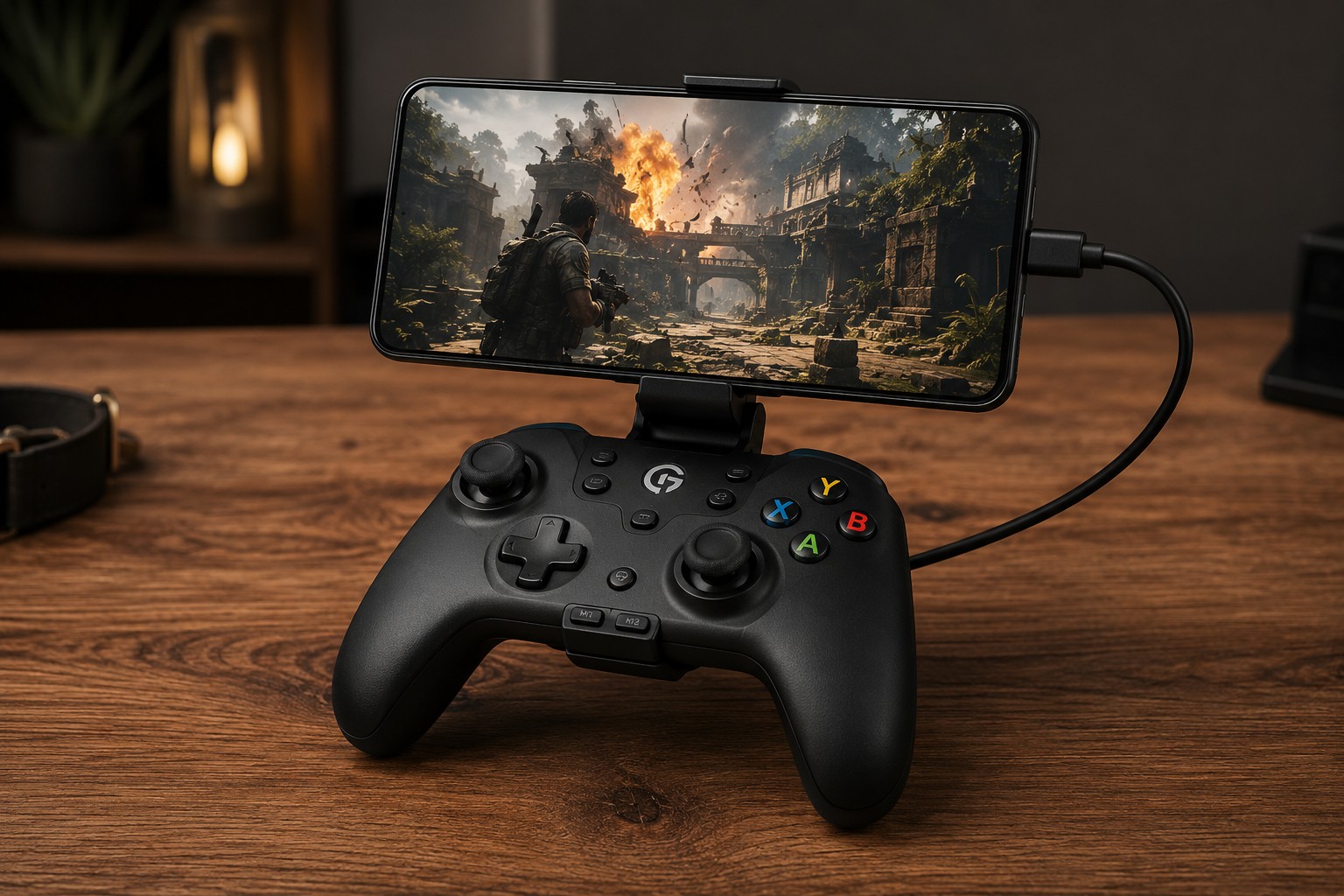
The transition to USB-C smartphones has significantly changed the mobile gaming accessory market.
With devices like:
- iPhone 15
- iPhone 16
- iPhone 17
- modern Android gaming phones
Wired gaming controllers have become much more practical than they were only a few years ago.
Previously, many smartphone controllers relied heavily on Bluetooth because wired connectivity on phones was inconsistent or limited. Now, USB-C connectivity allows controllers to provide a much more direct connection while also supporting charging and lower-latency gameplay simultaneously.
For cloud gaming, this is especially important because reducing every possible layer of latency improves the overall experience.
Best Controller for Cloud Gaming on a Smartphone: Serafim S3
Among modern smartphone gaming controllers, the Serafim S3 feels particularly optimized for cloud gaming because it combines several features that are still relatively uncommon to see together in a single controller.
Rather than focusing purely on portability or aesthetics, the controller emphasizes practical gaming performance.
Key features include:
- direct USB-C wired connectivity
- Hall Effect joysticks
- lightweight 143g design
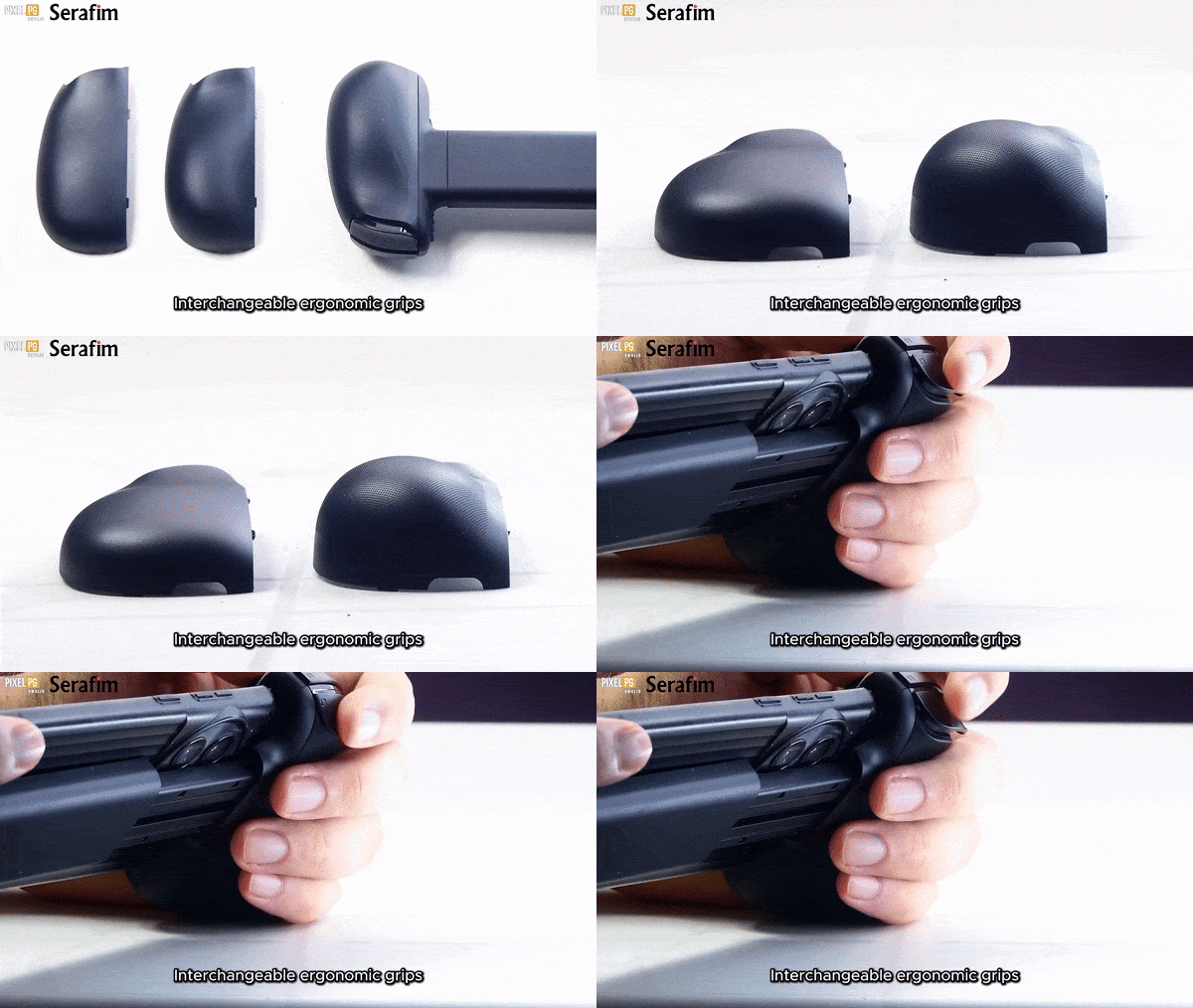
- swappable ergonomic grips
- pass-through charging
- Integrated 3.5mm headphone jack
Individually, these features may sound straightforward. In practice, however, the combination works especially well for extended cloud gaming sessions.
Practical Gaming Experience
One of the more noticeable aspects of the Serafim S3 is how responsive the wired USB-C connection feels during actual gameplay.
In cloud gaming, responsiveness is not only about raw latency numbers. It is also about how connected movement feels during gameplay. Small aiming corrections, camera movement, and directional changes tend to feel more immediate when additional wireless delay is minimized.
The difference becomes more noticeable in shooters such as:
- Call of Duty
- Fortnite
- Dead Trigger 2 FPS Zombie Game
where fast camera movement and aiming precision constantly expose controller responsiveness.
Racing games and action RPGs also benefit from lower-latency controls, particularly during rapid movement transitions or timing-sensitive gameplay moments.
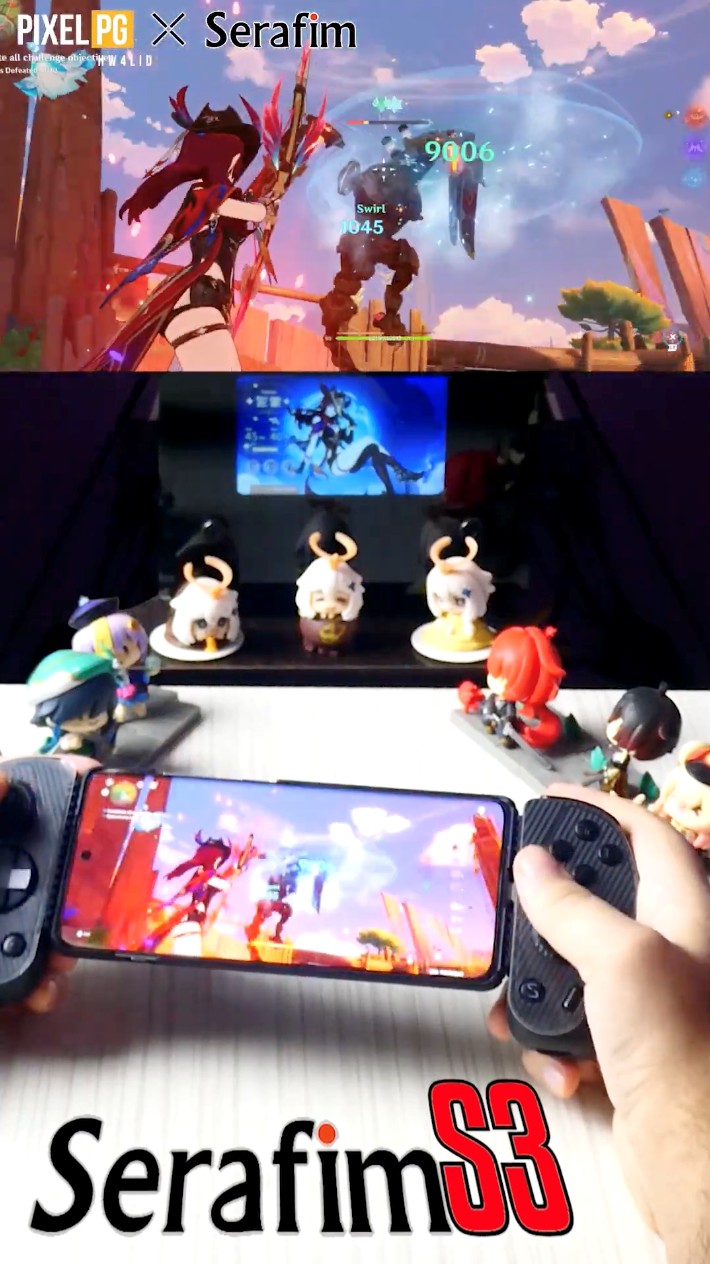
Real Cloud Gaming Use Cases
The Serafim S3 works particularly well across multiple cloud gaming platforms because of its low-latency focus and broad compatibility.
With Xbox Cloud Gaming, games like Halo Infinite and Forza Horizon feel more responsive when aiming and steering than with many traditional Bluetooth controllers. The difference is subtle at first, but becomes easier to notice during longer sessions.
On GeForce NOW, streamed PC titles such as Cyberpunk 2077 or Black Myth: Wukong benefit heavily from stable analog control and reduced input delay, especially during camera-heavy gameplay.
PS Remote Play also benefits significantly from a wired setup. Many players now use smartphones as secondary portable PlayStation displays around the house or while traveling, and lower controller latency helps remote-play sessions feel closer to local console gameplay.
Steam Link remains one of the most flexible cloud gaming solutions available, particularly for players with large PC libraries. In practice, stable wired controls help maintain a more console-like experience even when streaming graphically demanding games from a remote PC.
Comfort Matters More Than Many Players Expect
Cloud gaming sessions are often much longer than casual mobile gaming sessions.
A controller that feels comfortable for 15 minutes may become noticeably less comfortable after several hours of gameplay, especially during games requiring constant camera movement or aiming adjustments.
The Serafim S3’s lightweight design helps reduce fatigue during longer sessions, while the swappable ergonomic grips allow players to adjust the feel depending on hand size or grip preference.
Pass-through charging also proves surprisingly useful for cloud gaming, as streamed gameplay tends to drain smartphone batteries faster than native mobile games.
Hall Effect vs Traditional Analog Sticks
Hall Effect technology has become increasingly important in modern gaming hardware, particularly as players spend more time gaming across multiple platforms.
Traditional analog sticks rely on physical electrical contact points that gradually wear down over time. This wear can eventually introduce drift or inconsistent movement behavior.
Hall-effect joysticks instead use magnetic-field detection, reducing internal friction and mechanical wear.
For competitive players or long-term cloud-gaming users, this can help maintain smoother, more reliable analog performance over extended periods of use.
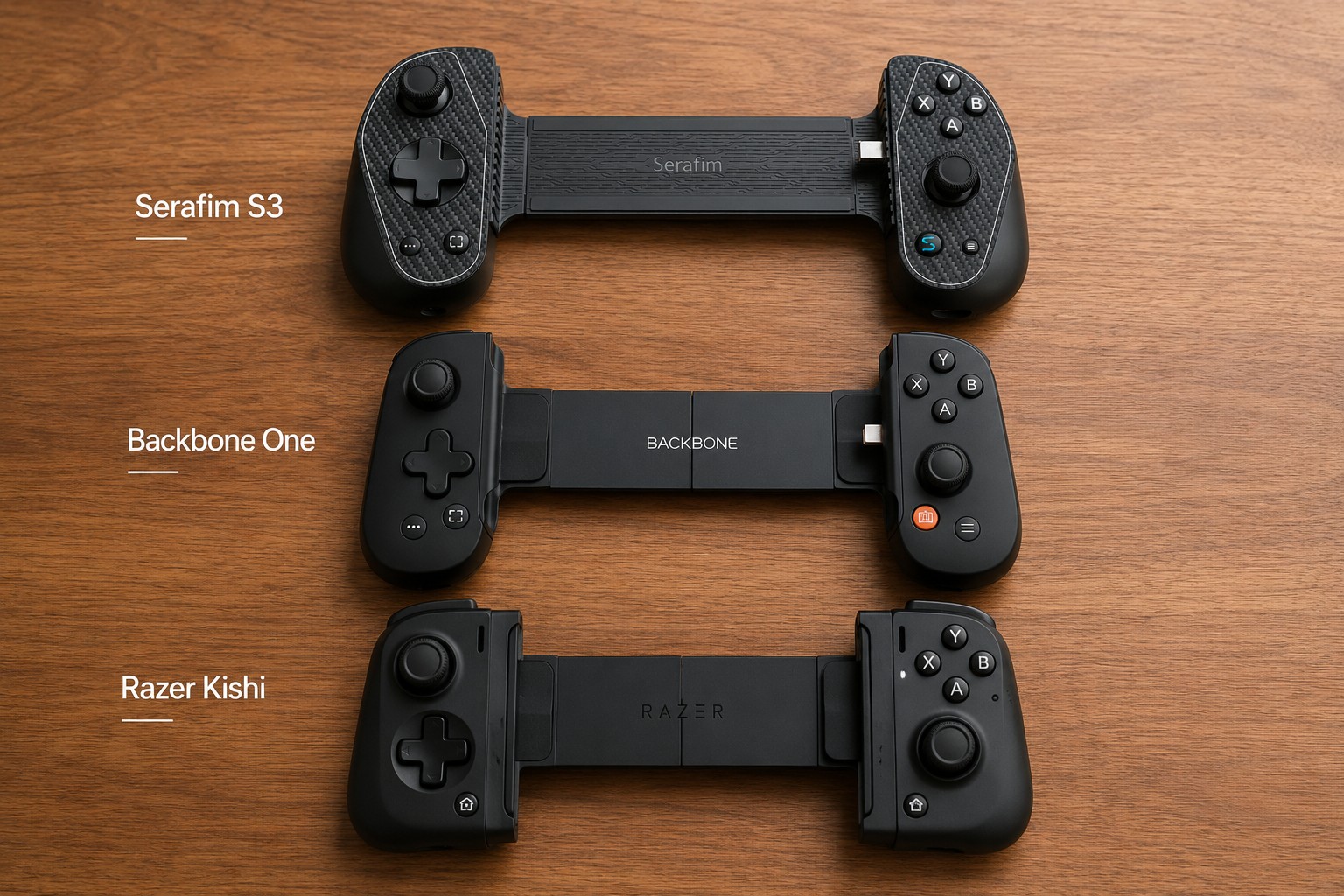
Smartphone Controller Comparison for Cloud Gaming (2026)
Several smartphone controllers now support cloud gaming, but their priorities vary considerably. Some focus primarily on portability, while others emphasize console-style ergonomics or convenience for casual gaming.
The differences become easier to notice once cloud-streaming latency is taken into account.
| Controller | Connection | Hall Effect Joysticks | USB-C iPhone Support | Cloud Gaming Focus |
| Serafim S3 | Wired USB-C | Yes | Yes | Strong |
| Backbone One | USB-C | No | Yes | Moderate |
| Razer Kishi | USB-C | Limited models | Yes | Moderate |
| Generic Bluetooth Controllers | Bluetooth | Usually No | Varies | Weaker |
Relatively few smartphone controllers currently combine:
- wired USB-C low latency
- Hall Effect joysticks
- lightweight portability
- cross-platform compatibility
in a single package designed around long-session gaming.
Who Should Consider the Serafim S3?
The Serafim S3 is especially well-suited for players who prioritize responsiveness and long-term reliability over ultra-compact portability.
Players who regularly use:
- Xbox Cloud Gaming
- GeForce NOW
- PS Remote Play
- Steam Link
will likely notice the benefits of the wired USB-C connection much more quickly than casual mobile gamers.
The controller also makes particular sense for players sensitive to input delay, joystick drift, or long-session comfort.
For iPhone 15 and newer USB-C users, the experience also feels significantly closer to a handheld console setup than traditional touchscreen controls.
Final Verdict
Cloud gaming performance depends on much more than internet speed alone.
Controller responsiveness, analog precision, ergonomics, and long-term reliability all directly affect how connected streamed gameplay feels during actual use.
As cloud gaming continues to grow more mainstream in 2026, wired USB-C smartphone controllers are increasingly the preferred option for players seeking lower latency and more consistent control.
Combined with Hall Effect joysticks, lightweight ergonomics, broad compatibility, and responsive USB-C connectivity, the Serafim S3 stands out as one of the best controllers for cloud gaming on a smartphone today.
For players serious about practical cloud gaming performance, it is one of the strongest overall options currently available.