Is a USB-C Controller Better Than Bluetooth for Mobile Gaming?
Mobile gaming has come a long way in recent years. With console-quality titles, cloud gaming services, and competitive multiplayer games becoming increasingly popular, many players are looking for ways to improve their gaming experience beyond touchscreen controls.
One of the biggest decisions mobile gamers face is choosing between a USB-C controller and a Bluetooth controller. Both options can transform your smartphone into a portable gaming machine, but they offer different advantages depending on your priorities.
So, is a USB-C controller actually better than Bluetooth for mobile gaming? The answer depends on what kind of gamer you are, but for many players, USB-C controllers offer several key benefits that make them the preferred choice.
Understanding USB-C and Bluetooth Controllers
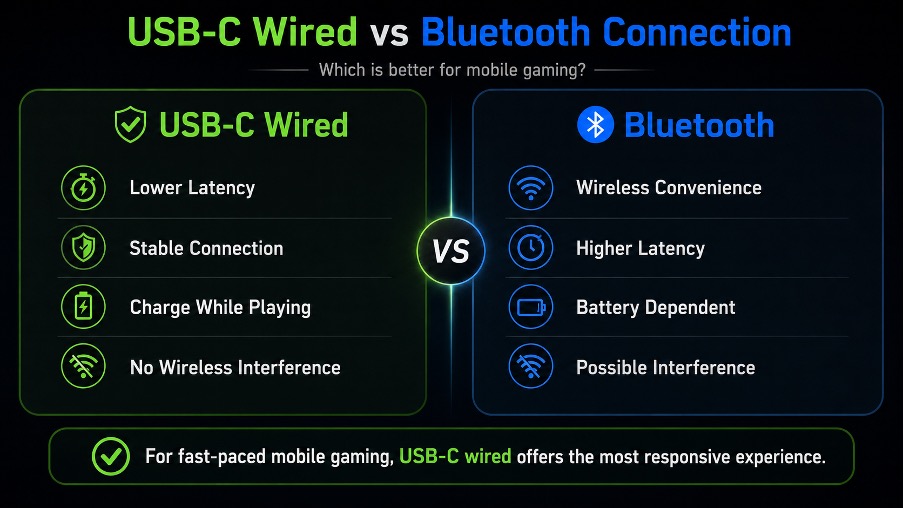
Before comparing the two, it’s important to understand how they work.
A USB-C controller connects directly to your smartphone through the USB-C port. Most modern mobile gaming controllers use a telescopic design that allows your phone to sit between the controller grips, creating a handheld console-like experience.
A Bluetooth controller, on the other hand, connects wirelessly. Popular examples include console controllers like the PlayStation DualSense and Xbox Wireless Controller, as well as dedicated mobile gaming controllers that use Bluetooth connectivity.
While both can control games effectively, the connection method significantly impacts performance, convenience, and overall gaming experience.
Latency: The Biggest Advantage of USB-C Controllers
When discussing mobile gaming performance, latency is often the first factor that comes up.
Latency refers to the delay between pressing a button and seeing the action happen on screen. While modern Bluetooth technology has improved dramatically, a wired USB-C connection still provides the fastest and most consistent response.
For casual games, the difference may be difficult to notice. However, in competitive titles such as: Call of Duty Mobile, PUBG Mobile,Fortnite even small delays can affect reaction times and precision.
Because USB-C controllers communicate directly with the device, they generally provide lower input latency than Bluetooth alternatives. Competitive gamers often prefer wired connections for this reason.
If your goal is maximum responsiveness, a USB-C controller usually has the edge.
💪Reliability and Connection Stability
Another area where USB-C controllers excel is connection stability.
Bluetooth technology is incredibly convenient, but wireless connections can occasionally experience:
- Signal interference
- Pairing issues
- Unexpected disconnections
- Input lag spikes
These issues are relatively rare, but they can occur, especially in environments with many wireless devices nearby.
A USB-C connection eliminates these concerns entirely. Once connected, the controller is immediately recognized by the device and maintains a stable connection throughout the gaming session.
For gamers who prioritize consistency and reliability, wired connectivity provides peace of mind.
🔋Battery Life Considerations
Battery management is another important factor when choosing a mobile gaming controller.
Bluetooth controllers contain their own batteries and require regular charging. Running out of controller battery in the middle of a gaming session can be frustrating, especially during long trips or tournaments.
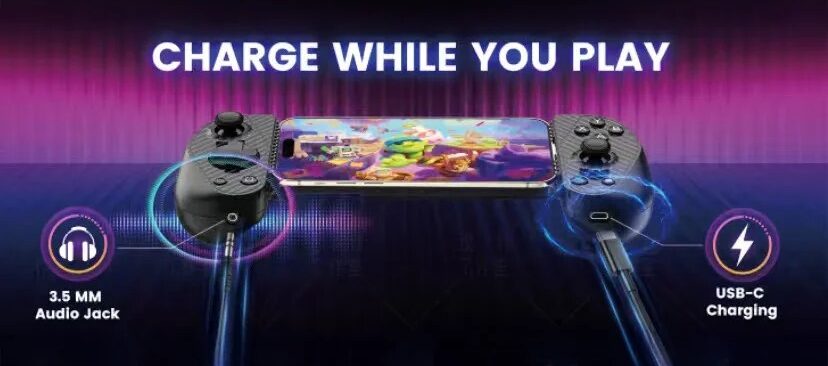
USB-C mobile controllers often draw minimal power directly from the smartphone or include pass-through charging features that allow gamers to charge their phones while playing.
This setup means one less battery to manage and one less device to remember to charge.
For frequent gamers, the simplicity of a USB-C controller can be a major advantage.
Portability and Ergonomics
Many modern USB-C controllers are designed specifically for mobile gaming.
Unlike traditional console controllers, they typically feature a telescopic design that turns a smartphone into a handheld gaming device similar to a Nintendo Switch.
Benefits include:
- Better portability
- Improved balance
- Reduced hand fatigue
- Easier travel setup
- More immersive gaming experience
Bluetooth controllers still offer several compelling benefits like Cross-Platform Compatibility, Wireless Freedom, Broader Device Support, but they often require a separate phone mount or stand to achieve a similar setup.
For players who game on the go, a dedicated USB-C controller often feels more natural and convenient.
Which Controller Is Better for Competitive Mobile Gaming?
For competitive players, USB-C controllers generally offer the stronger overall package.
The combination of: lower latency, stable connectivity, no wireless interference, instant plug-and-play setup makes USB-C controllers particularly appealing for esports and fast-paced multiplayer games.
Many serious mobile gamers prioritize responsiveness above all else, making wired connectivity the preferred option whenever possible.
🔍What to Look for in a Modern USB-C Mobile Controller
If you’re considering a USB-C controller, there are several features worth prioritizing:
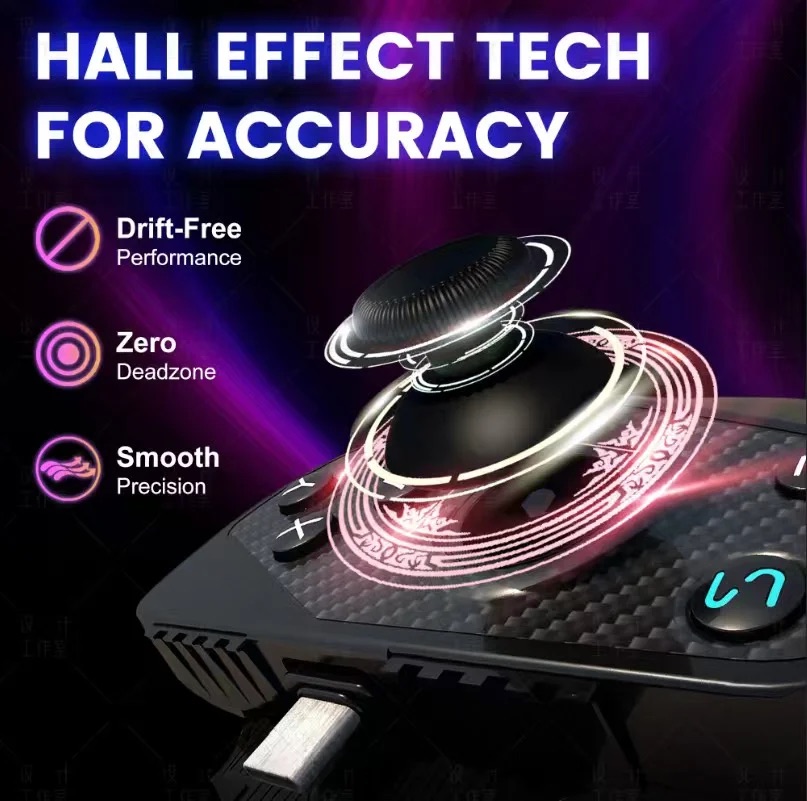
Hall Effect Joysticks
Hall Effect technology helps prevent stick drift and improves long-term durability.
Ergonomic Design
Comfort becomes increasingly important during extended gaming sessions.
Pass-Through Charging
This feature allows you to charge your phone while playing.
Multi-Platform Support
Some newer controllers support Android, iPhone, cloud gaming services, and PC gaming through a single ecosystem.
Customizable Controls
Advanced gamers often appreciate remapping options and sensitivity adjustments for different game genres.
Controllers such as the Serafim S3 have gained attention because they combine USB-C responsiveness with modern features like Hall Effect joysticks, interchangeable grips, and broader gaming ecosystem support, offering a more complete mobile gaming experience.

📊Final Verdict: USB-C vs Bluetooth Controllers
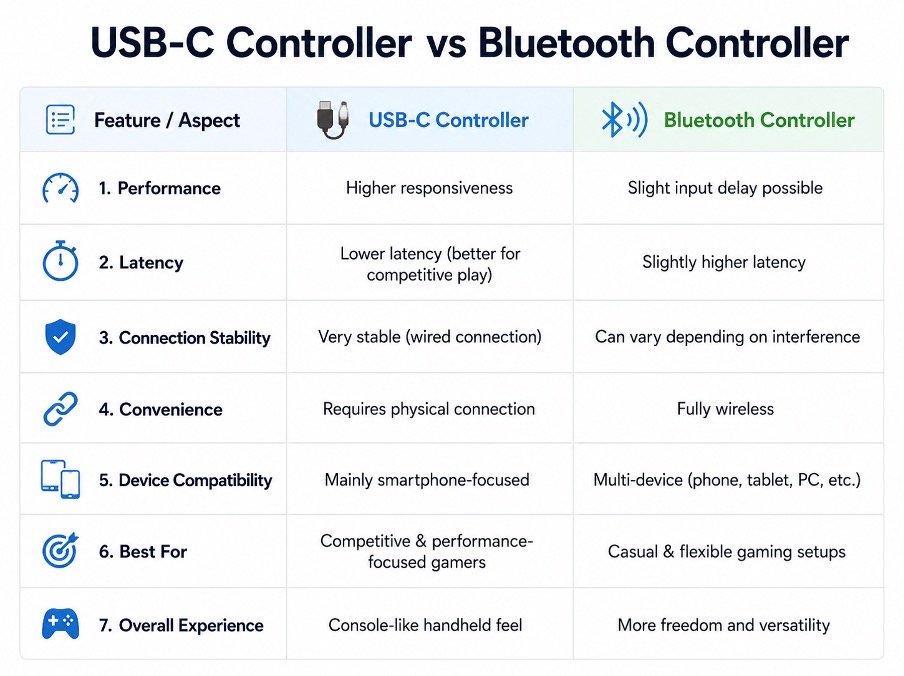
So, is a USB-C controller better than Bluetooth for mobile gaming?
For players focused on performance, responsiveness, and reliability, the answer is generally yes. USB-C controllers deliver lower latency, more stable connections, and a handheld gaming experience specifically optimized for smartphones.
Bluetooth controllers remain excellent options for users who prioritize flexibility and multi-device compatibility, but they typically sacrifice a small amount of responsiveness in exchange for wireless convenience.
Ultimately, the best controller depends on your gaming habits. However, as mobile games become more competitive and sophisticated, many gamers are increasingly choosing USB-C controllers as their primary way to play.
If you want the closest experience to a dedicated handheld gaming console, a high-quality USB-C controller is often the best investment.