Serafim S3 vs Backbone One — Which Mobile Gaming Controller Is Better?
As mobile gaming continues to evolve, more players are looking for console-like controls on their smartphones. Two popular options in the mobile controller market are the Serafim S3 and the Backbone One. Both are designed to improve gaming precision, comfort, and overall experience, but they target slightly different types of gamers.
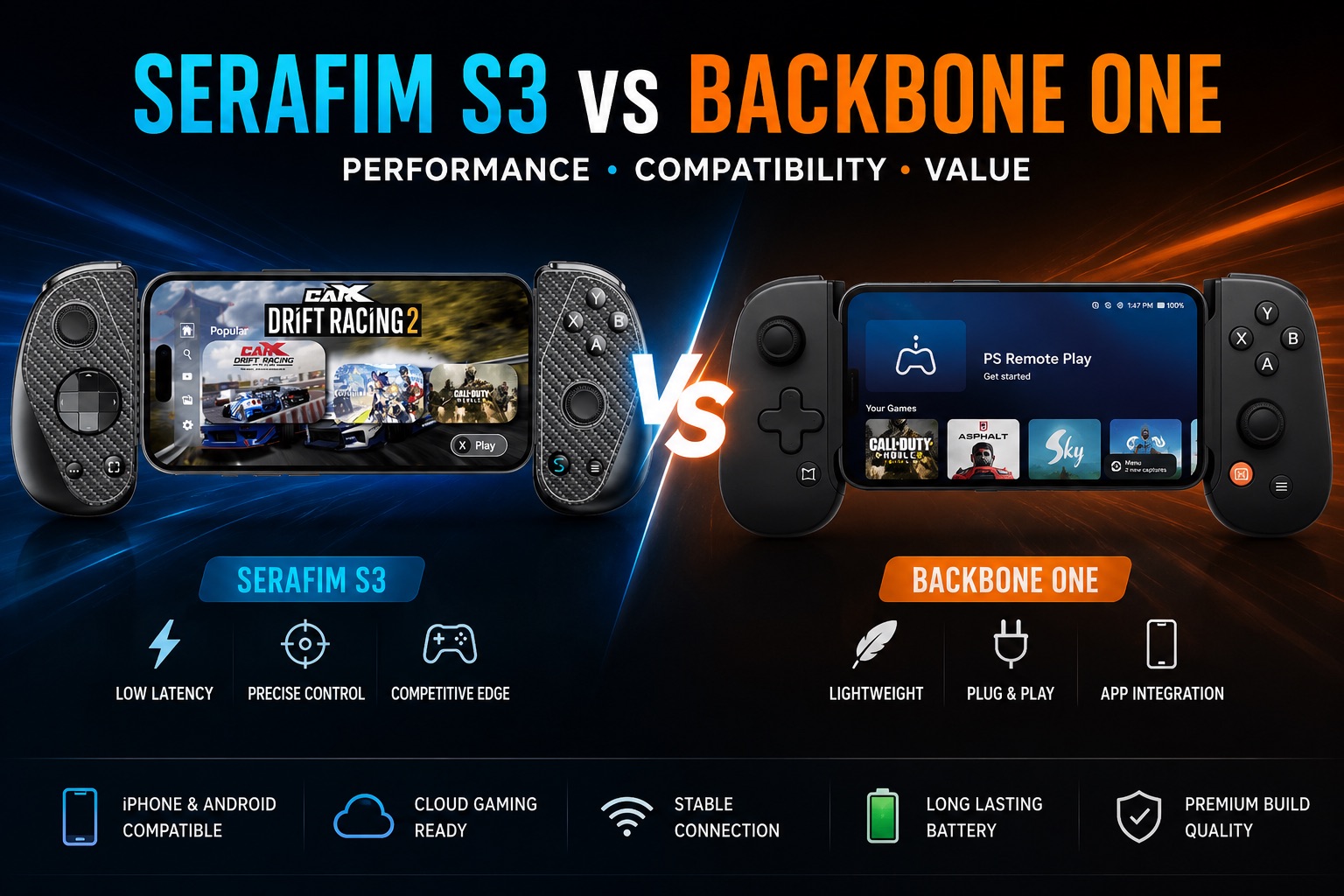
So which one is actually better? The answer depends on what you value most: compatibility, latency, customization, portability, or overall versatility. Let’s break down the differences.
Design and Build Quality

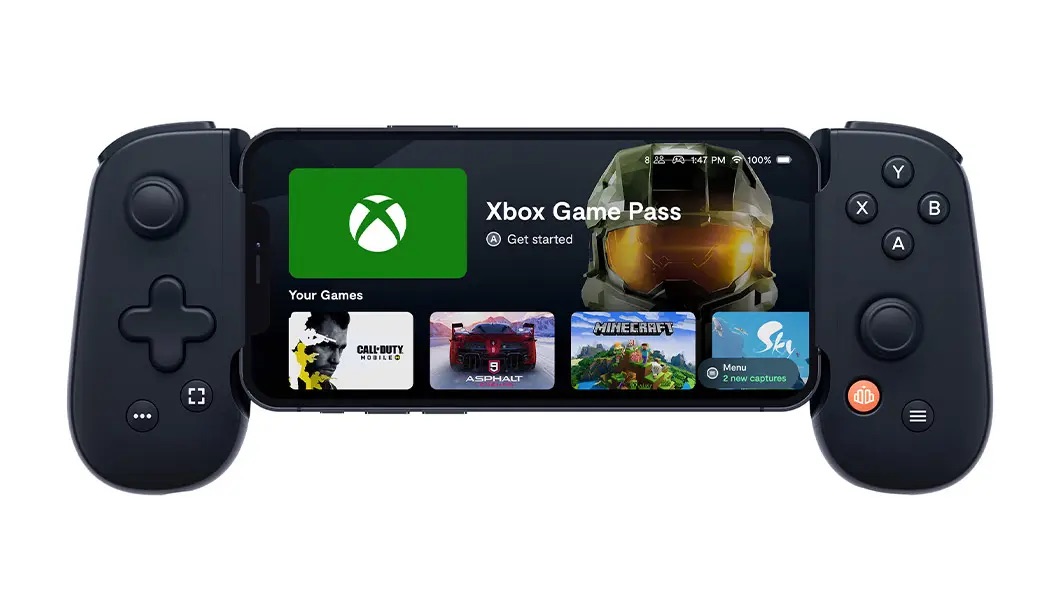
The Backbone One is known for its sleek, minimalist design that closely resembles a Nintendo Switch-style handheld console. It feels premium, lightweight, and compact, making it easy to carry around daily. The buttons are tactile and responsive, which many casual gamers appreciate.
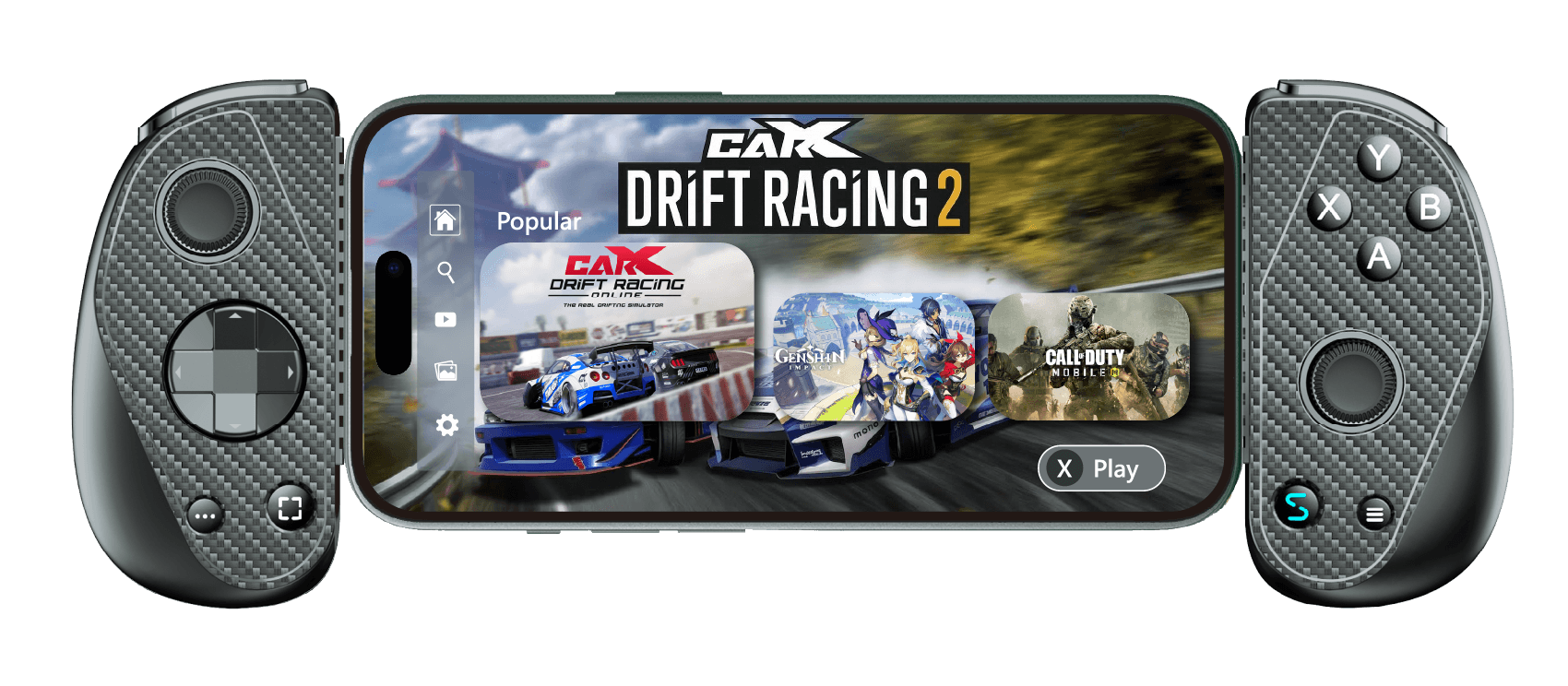
The Serafim S3, on the other hand, has a more performance-oriented design. While slightly bulkier, it offers a firmer grip and a layout that feels closer to a traditional console controller. For players who spend long hours gaming, the ergonomics can feel more comfortable during extended sessions.
If portability and slim design are your priorities, Backbone One has an advantage. If comfort and stability matter more, especially for competitive gaming, Serafim S3 stands out.
Compatibility and Device Support
One of the biggest differences between these two controllers is compatibility.
Backbone One primarily focuses on iPhone users, although newer versions also support some Android devices. However, compatibility may vary depending on phone model and connection type.
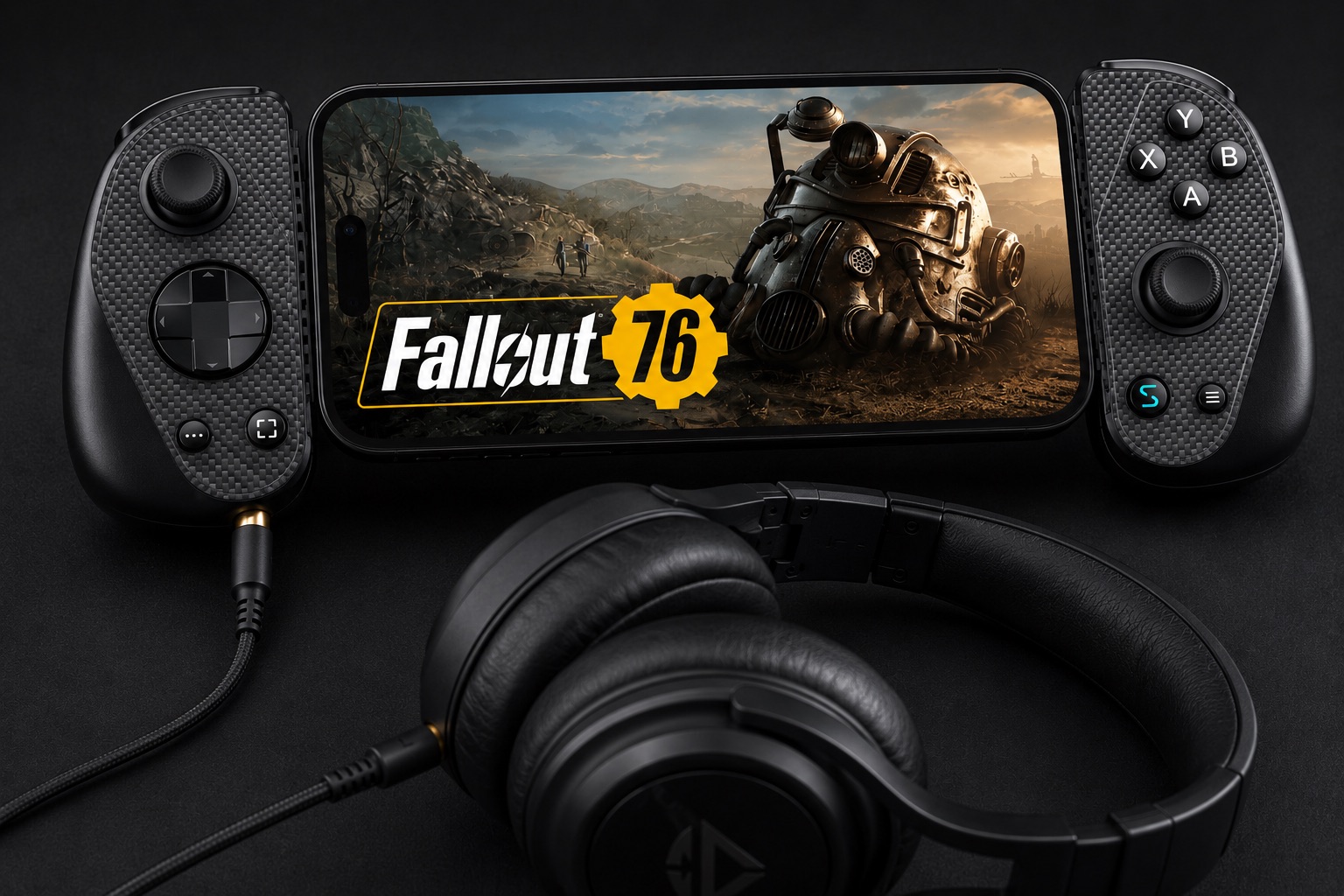
Serafim S3 is designed with broader compatibility in mind. It is compatible with iPhone 15 or above and Android 9.0 or later devices and works across multiple game genres and cloud gaming platforms. This flexibility is especially useful for gamers who switch devices frequently or want one controller for multiple ecosystems.
For users who value cross-platform support and versatility, Serafim S3 offers a more flexible solution.
| Feature | Serafim S3 | Backbone One |
| iPhone Support | ✅ | ✅ |
| Android Support | ✅ | ✅ (depand on models) |
| Cloud Gaming | ✅ | ✅ |
| Multi-platform Use | ✅ | ⚠️ |
| Emulator Support | ✅ | Limited |
| Device Flexibility | High | Medium |
🎮Gaming Performance and Latency
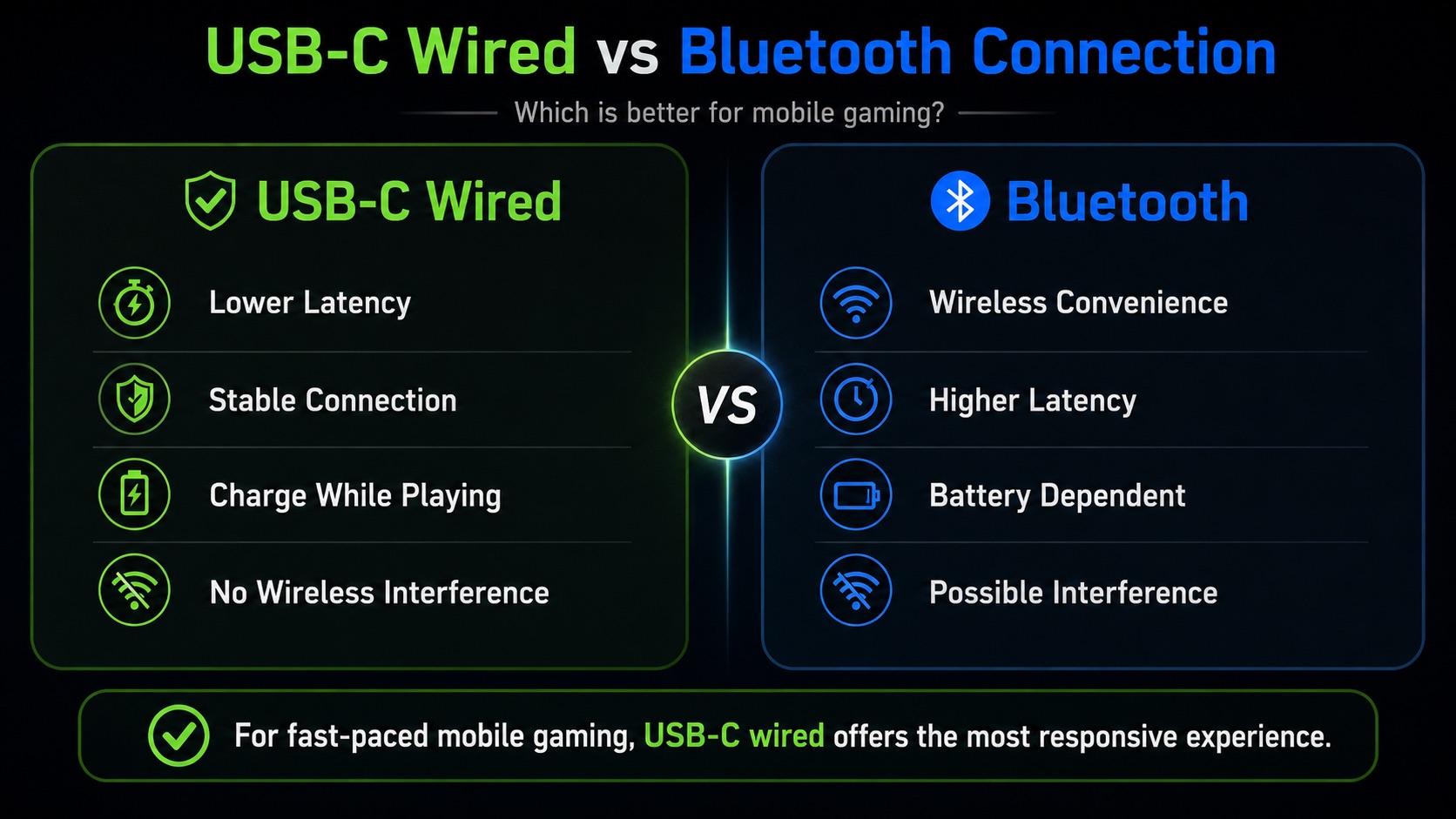
Low latency is critical in competitive mobile games such as Call of Duty: Mobile, PUBG Mobile, CarX Drift Racing 2.
Backbone One performs very well for casual and mainstream gaming. Input response is fast, and the controller integrates smoothly with many mobile games. For everyday gaming sessions, the experience feels polished and reliable.
However, Serafim S3 is built with performance-focused gaming in mind. Many players prefer it for fast-paced games because of its responsive controls and stable connection performance. The controller is particularly appealing to users who play competitive titles where every millisecond matters.
In games that require quick aiming, rapid reactions, and precise movement, Serafim S3 may provide a stronger competitive edge.
Customization Features

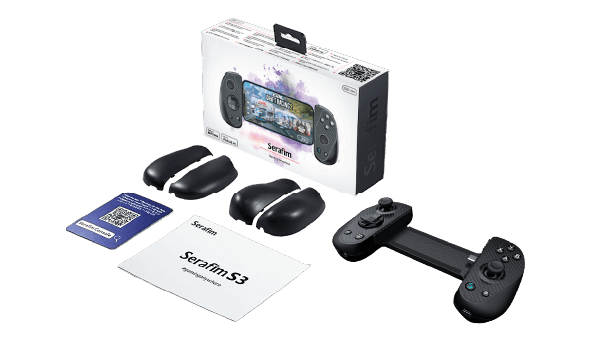
Customization is another area where the two controllers differ significantly.
Backbone One keeps things simple. It focuses on plug-and-play convenience rather than deep customization. This simplicity is excellent for users who just want to connect and start gaming immediately.
Serafim S3 provides more flexibility for advanced users. Depending on the platform and game setup, players can fine-tune controls and optimize their gameplay experience more extensively. It also features interchangeable grips, allowing users to customize the controller’s feel and ergonomics based on their hand size and gaming preferences. This makes it particularly attractive to gamers who enjoy adjusting settings and hardware configurations for maximum performance.
If you prefer a straightforward experience, Backbone One is easier to use. If you enjoy customization and control optimization, Serafim S3 offers more room to personalize your setup.
☁️Cloud Gaming and Streaming
Cloud gaming services like Xbox Cloud Gaming, GeForce NOW, and remote play have become increasingly important.
Backbone One integrates nicely with mobile ecosystems and offers a polished app experience. Its interface is clean and user-friendly, especially for iPhone users.
Serafim S3 also performs well with cloud gaming and is often appreciated for its one-click Twitch live streaming directly from the Serafim Console App. For users who regularly switch between native mobile games and cloud gaming platforms, the added flexibility can be a major advantage.
🔗Connectivity
Backbone One uses a direct phone connection, which minimizes input lag and eliminates the need for separate Bluetooth pairing. This convenience is one of its strongest selling points.
Serafim S3 also emphasizes stable connectivity while supporting a wider range of devices. Depending on the gaming setup, users may appreciate the additional flexibility and compatibility options available.
Both controllers are capable performers, but the better choice depends on whether you prioritize simplicity or broader functionality.
🪙Price and Value
Price is often one of the deciding factors when choosing a mobile gaming controller.
While pricing may vary by region and retailer, the Backbone One typically sells for around $99 USD depending on the version and market. Some PlayStation Edition or Lightning versions can be even more expensive.
The Serafim S3 is generally available for around $89.99 USD, making it noticeably more affordable while still offering broad compatibility and advanced gaming features.
Because of its premium branding, polished software ecosystem, and compact design, Backbone One is often positioned as a mainstream lifestyle gaming accessory. It appeals strongly to casual gamers who value simplicity and portability.
Serafim S3, however, delivers stronger value for users seeking high performance, broader compatibility, and greater gaming flexibility. Considering its lower price point and support for both iOS and Android ecosystems, it can be a more cost-effective investment for competitive gamers and players who frequently switch between devices.
For users focused on maximizing performance per dollar, Serafim S3 offers a stronger overall value proposition.
| Feature | Serafim S3 | Backbone One |
| Price | $89.99 | $99 |
| Android Support | ✓ | ✓ |
| Customization | ✓ | Limited |
| Interchangeable Grips | ✓ | ✗ |
| Competitive Gaming | ✓ | Good |
🏁Final Verdict
Choosing between Serafim S3 and Backbone One ultimately depends on your gaming style.
Choose Backbone One if you:
- Prefer a sleek and lightweight design
- Want a simple plug-and-play experience
- Mainly game on iPhone
- Value portability and app integration
Choose Serafim S3 if you:
- Want broader iOS and Android compatibility
- Play competitive or fast-paced games
- Prefer deeper customization options
- Need a more versatile controller for multiple gaming platforms
For casual gamers who prioritize convenience and aesthetics, Backbone One is an excellent choice. But for gamers looking for performance, flexibility, and cross-platform versatility, Serafim S3 may be the better overall controller.