Serafim S3 vs Razer Kishi — Which Mobile Controller Should You Buy?
Mobile gaming has evolved far beyond casual touchscreen taps. With AAA titles, cloud gaming, and console-level ports now on smartphones, choosing the right controller can dramatically change your experience. Two of the most talked-about options are the Serafim S3 and the Razer Kishi series. While both aim to turn your phone into a handheld console, they differ significantly in design philosophy, features, and long-term value.
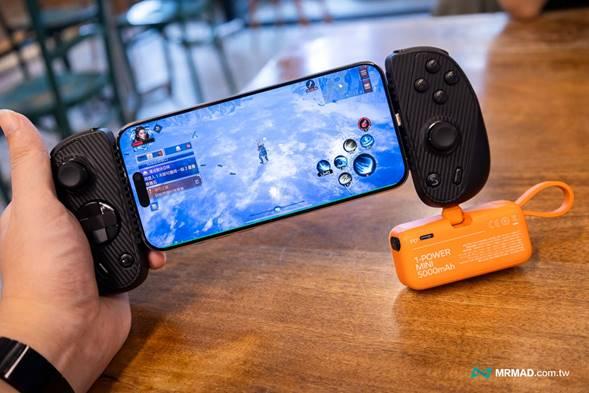
In this guide, we’ll compare them in detail and help you decide which one truly delivers the best mobile gaming experience—especially if you’re looking for performance, comfort, and future-proof features.
📊 Serafim S3 vs Razer Kishi: Quick Comparison
| Feature | Serafim S3 | Razer Kishi |
| Connection | USB-C Wired | USB-C Wired |
| Joysticks | Hall Effect | Traditional Analog |
| Trigger Type | Hall Effect | Standard Trigger |
| Ergonomic Grip | Interchangeable | Fixed Design |
| Long Session Comfort | Excellent | Good |
| Customization | High | Low |
| Overall Value | ★★★★★ | ★★★★☆ |
While both controllers offer a significant upgrade over touchscreen controls, the Serafim S3 provides more flexibility, comfort, and long-term durability. Below, we’ll break down exactly where each controller excels and which type of gamer should choose them.
1. Design Philosophy: Comfort vs Simplicity
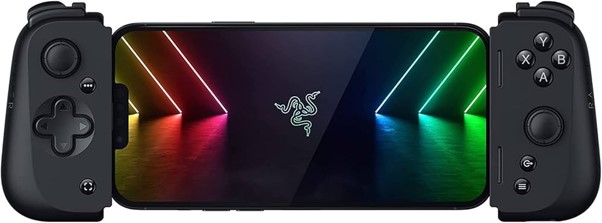
The Razer Kishi focuses on a compact, Switch-like design that directly clamps onto your phone. It’s minimal, lightweight, and extremely portable. However, this simplicity comes with trade-offs: the grip can feel rigid, and long gaming sessions may become uncomfortable for some users due to its fixed ergonomics.
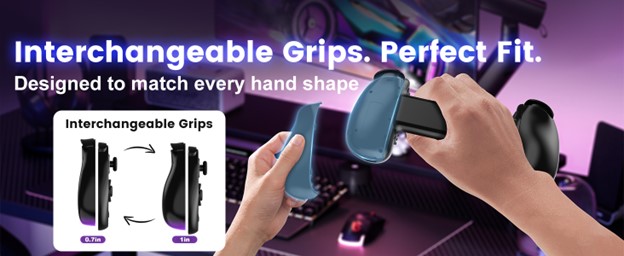
In contrast, the Serafim S3 is designed with adaptability in mind. One of its standout features is its interchangeable grip system, allowing users to switch between a slim portable setup and a more ergonomic, Xbox-style grip for longer sessions. This flexibility is something most competitors, including Kishi, do not offer.
This makes the Serafim S3 not just a controller, but a customizable gaming setup depending on your play style and session length.
2. Ergonomics and Long-Term Comfort
Comfort is where the differences become very noticeable.
The Razer Kishi is fine for short bursts of gameplay, but because it follows a strict telescopic structure, it lacks ergonomic variation. Your hands are locked into one position, which can lead to fatigue over time.
The Serafim S3, on the other hand, is built with swappable ergonomic grips that significantly improve hand comfort during extended gaming. According to hands-on reviews, the thicker grip option reduces hand strain and better replicates a traditional console controller feel.
For players who enjoy long sessions of games like Genshin Impact, Call of Duty Mobile, or cloud gaming titles, this difference matters a lot.
📐3. Performance: Precision and Responsiveness
Both controllers use USB-C wired connections, which already gives them a major advantage over Bluetooth controllers in terms of latency.
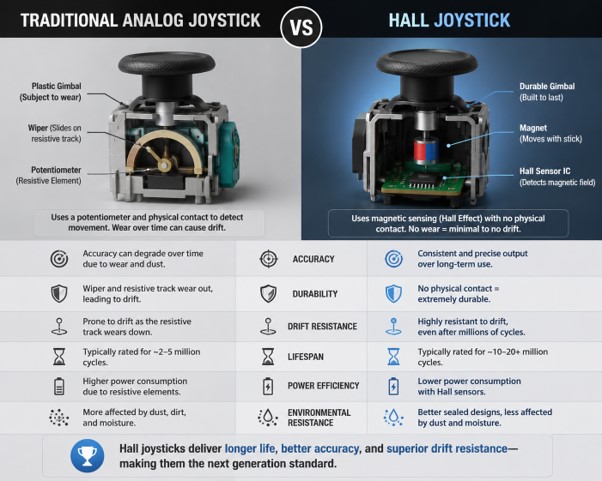
However, the Serafim S3 takes a technical lead with Hall Effect joysticks and triggers. These sensors are known for:
- Zero stick drift over time
- More precise input tracking
- Better long-term durability
The Razer Kishi (depending on version) uses traditional analog components, which are generally reliable but more prone to wear and eventual drift.
This makes the Serafim S3 more appealing for competitive players who care about accuracy and consistency.
🌐4. Compatibility and Ecosystem
The Razer Kishi has broad compatibility across Android and iOS (model-dependent), and it integrates well with major cloud gaming platforms like Xbox Cloud Gaming and Steam Link.
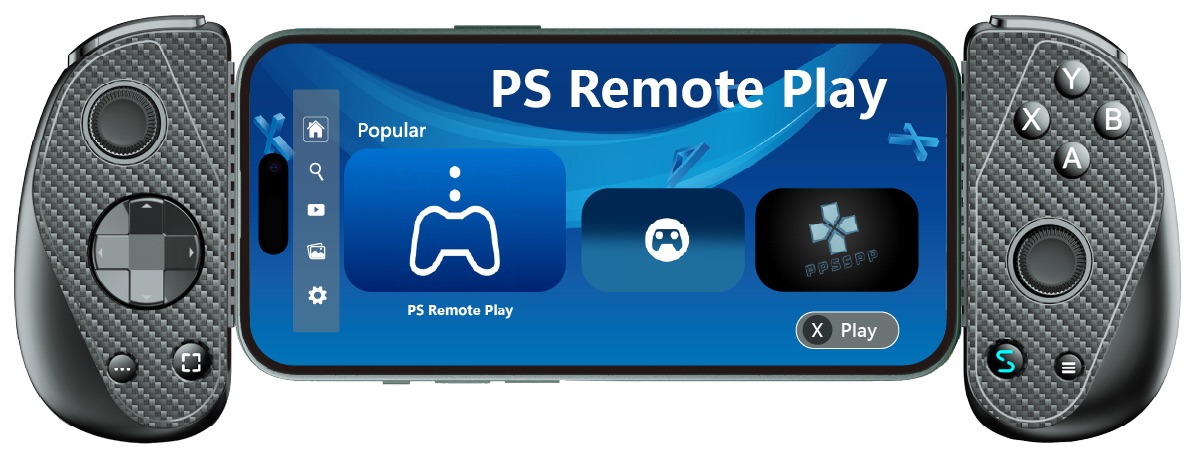
However, the Serafim S3 goes further by offering a unified ecosystem through its companion app, which aggregates major services such as:
- Xbox Game Pass
- GeForce NOW
- Steam Link
- PlayStation Remote Play
- Mobile-native games
This creates a more centralized “console hub” experience, making it easier for users to jump between platforms without constantly switching apps.
5. Extra Features: Where Serafim S3 Stands Out
While the Razer Kishi keeps things minimal, the Serafim S3 adds several practical features that improve real-world usability:
- 🎮 Interchangeable ergonomic grips
- 🔋 Pass-through charging while playing
- 🎧 3.5mm headphone jack support
- 📸 One-click screenshot and recording button
- 📱 Fits more phone cases compared to many competitors
- ⚡ Low-latency USB-C connection
These features may seem small individually, but together they create a more complete “console replacement” experience.
6. Build Quality and Feel
The Razer Kishi is known for its solid construction and brand reliability. It feels stable and well-engineered, but slightly basic in terms of materials.
The Serafim S3, while still plastic-built, focuses more on functional versatility than premium minimalism. The ability to change grips and improve ergonomics gives it an edge in practical everyday usage.
🪙 7. Value for Money
Pricing often plays a major role in this comparison. The Kishi line generally sits in the mid-to-premium category depending on the version, while delivering a straightforward but limited experience.
The Serafim S3 delivers more features per dollar, especially considering:
- Hall Effect technology
- Modular grip system
- Built-in ecosystem support
- Extra physical controls
For users who want more than just a basic clamp controller, the S3 offers stronger long-term value.
🏁 Final Verdict: Which One Should You Buy?
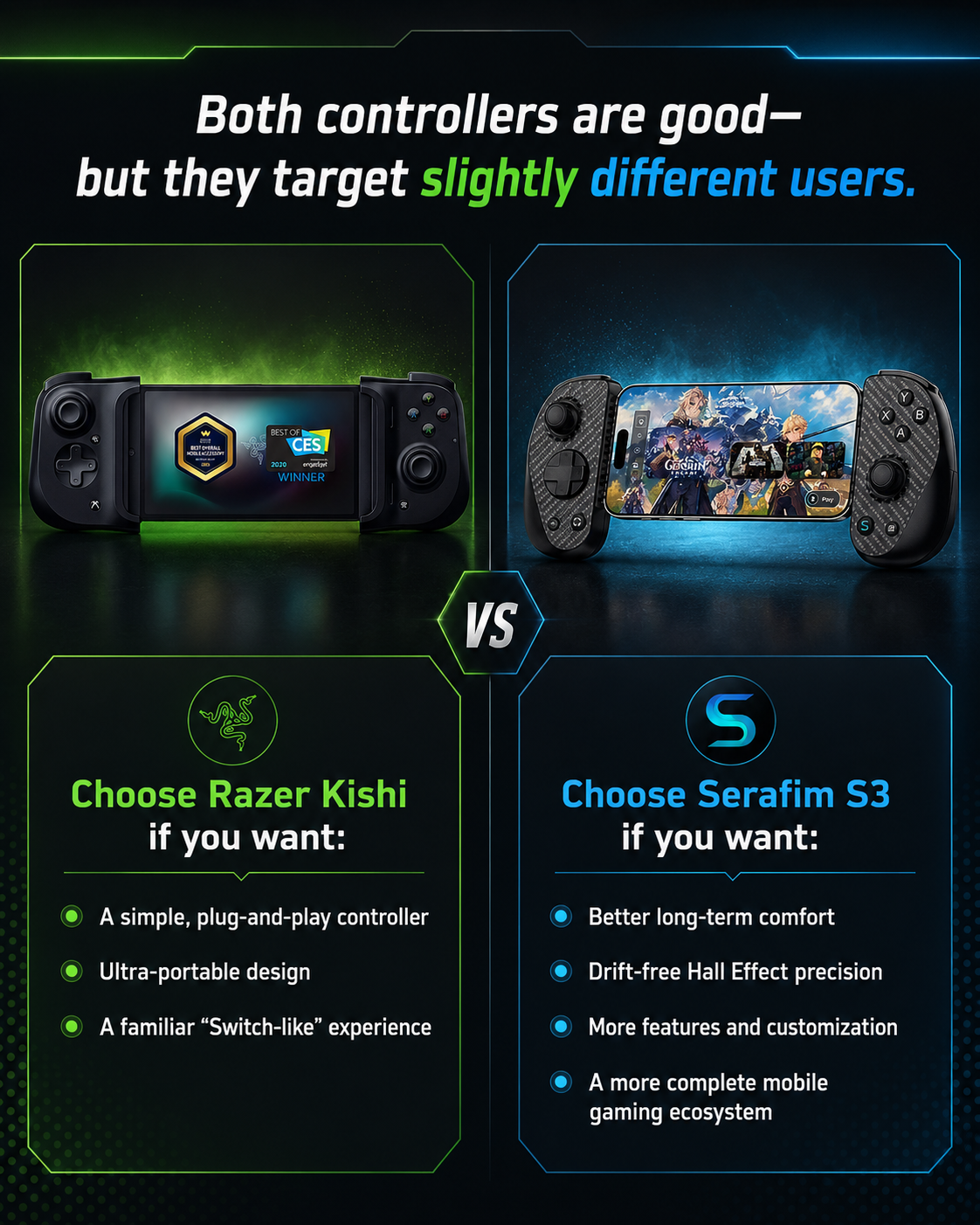
Both controllers are good—but they target slightly different users.
- Choose Razer Kishi if you want:
- A simple, plug-and-play controller
- Ultra-portable design
- A familiar “Switch-like” experience
- Choose Serafim S3 if you want:
- Better long-term comfort
- Drift-free Hall Effect precision
- More features and customization
- A more complete mobile gaming ecosystem
Overall Recommendation
If you are deciding purely on practicality, comfort, and future-proof features, the Serafim S3 is the stronger overall choice. It not only matches the Kishi in core functionality but also expands far beyond it in ergonomics, precision, and versatility.
For modern mobile gamers who treat their phone like a serious gaming device rather than a casual platform, the Serafim S3 stands out as the more complete and forward-thinking solution.